How to prevent mold growth after water damage
Discover effective strategies to prevent mold growth after water damage in Round Rock, ensuring your home stays safe and dry.
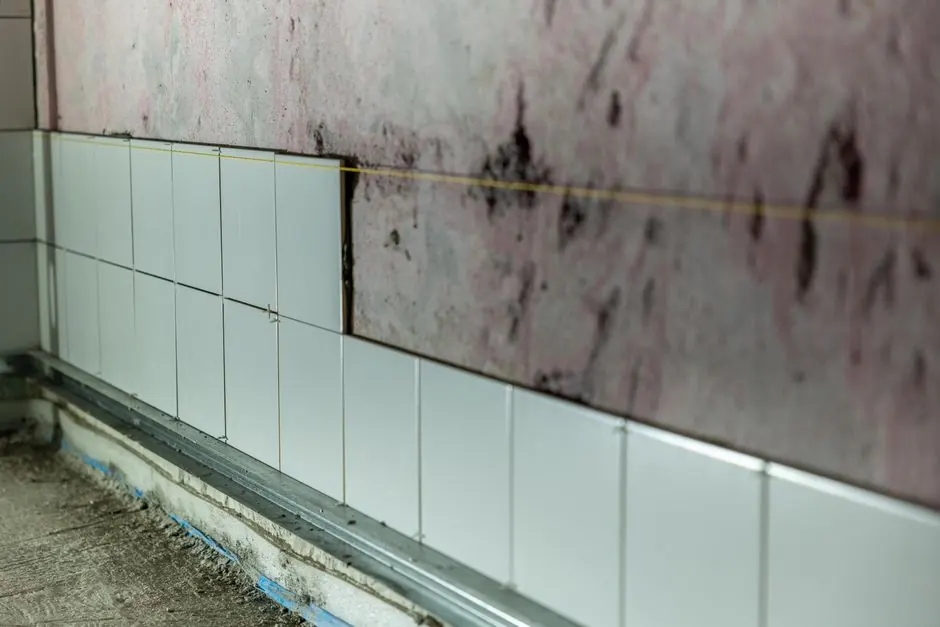
Mold growth after water damage can lead to serious health issues and structural problems in your home. To prevent mold, it's essential to act quickly and follow effective strategies. This article outlines immediate steps you can take, drying techniques to employ, and preventive measures to keep your home safe in Round Rock.
Mold growth prevention is the process of taking proactive measures to inhibit the development of mold in environments affected by moisture. Understanding how to effectively manage water damage is crucial for homeowners, especially in humid areas like Round Rock, where mold thrives.
Why Mold Grows After Water Damage
Mold spores are present everywhere, but they require specific conditions to grow. Water damage creates a perfect environment for mold, as it provides moisture and warmth. In Round Rock, where humidity levels can be high, even a small leak can lead to significant mold problems if not addressed promptly.
Immediate Steps to Take
After experiencing water damage, the first step is to ensure safety. Turn off electricity in affected areas to prevent hazards. Next, remove any standing water using buckets or a wet vacuum. If the water is significant, consider contacting Emergency Water Extraction Round Rock TX services to handle the situation professionally.
- Remove wet carpets and furniture to prevent further moisture retention.
- Open windows and doors to increase air circulation.
- Use fans and dehumidifiers to aid in drying out the space.
Drying and Dehumidification Techniques
Effective drying is critical to preventing mold growth. Utilize dehumidification services to reduce humidity levels to below 60%. This is particularly important in Round Rock's warm climate, where humidity can exacerbate mold growth.
Consider employing the following drying techniques:
- Use industrial fans to circulate air in affected areas.
- Place dehumidifiers strategically to remove moisture from the air.
- Ensure that all materials, including walls and floors, are dried completely.
Preventive Measures for the Future
To prevent future mold growth, consider these strategies:
- Regularly inspect your home for leaks, especially in basements and attics.
- Maintain gutters and downspouts to prevent water accumulation around your home.
- Invest in waterproofing solutions for basements and crawl spaces.
In Round Rock, many homeowners benefit from Water Damage Restoration services in Round Rock to ensure their homes are protected against future incidents.
Common Mistakes to Avoid
Many homeowners unknowingly make mistakes that can exacerbate mold issues. Here are common pitfalls to avoid:
- Ignoring small leaks, which can lead to larger problems over time.
- Failing to dry out areas fully before replacing materials.
- Using bleach as a mold killer, which may not effectively eliminate all mold spores.
When to Call a Professional
Calling a professional is crucial when the water damage is extensive or if mold is already present. Professionals can provide services such as Mold Remediation Round Rock TX to ensure your home is safe and healthy. They have the tools and expertise to handle complex situations effectively.
Frequently Asked Questions
1. How quickly can mold start to grow after water damage?
Mold can begin to grow within 24 to 48 hours after water damage if conditions are right.
2. What is the best way to dry out a wet basement?
The best way to dry out a wet basement is to remove standing water, use fans, and employ dehumidifiers to lower humidity levels.
3. Can I remove mold myself?
While small amounts of mold can be cleaned with soap and water, larger infestations require professional Mold Removal Round Rock TX to ensure complete eradication.
4. How can I prevent mold in my home?
Prevent mold by maintaining low humidity levels, fixing leaks promptly, and ensuring proper ventilation in your home.
5. What are the signs of mold growth?
Signs of mold growth include a musty odor, visible mold spots, and increased allergy symptoms among residents.